BEP-20 token tracing is a forensic investigation on Binance Smart Chain that follows stolen tokens, links wallet clusters to exchanges or issuers, and produces a court-ready report. It can identify the rails a thief used and support a freeze request or legal filing, but it does not guarantee automatic recovery of your funds. The single most useful thing you can do right now is file with IC3 and preserve every transaction detail you have.
TL;DR:
- Most stolen tokens are bridged to other networks, requiring cross-chain analysis and access to bridge records for effective tracing.
- Exchange freezes and issuer-led token seizures happen only when investigators can establish a clear, verifiable chain of custody linking stolen funds to a known account or smart contract.
- Providing investigators with transaction hashes, wallet addresses, token amounts, timestamps, and supporting screenshots or messages speeds up the investigation process significantly.
- Full legal-grade reports need a clear, linear story with method documentation, raw data exports, and chain-of-custody evidence to be useful in court or for exchanges’ freeze actions.
- Be cautious of recovery scams; never pay upfront fees or share banking details for unlocking funds, and always file reports immediately with IC3 for the best chance of legal action.
Table of Contents
- What a professional BEP-20 tracing engagement covers
- Checklist: evidence investigators need from you right away
- How BEP-20 tracing works on Binance Smart Chain
- What a legal-grade forensic report includes
- Next steps: reporting, outreach, and avoiding recovery scams
- Why timelines and evidence standards matter more than speed
- How a forensic provider supports your case
- Sources
- FAQ
What a professional BEP-20 tracing engagement covers
Hiring a forensic firm means handing over raw transaction data and getting back a structured investigation, not a guarantee. Investigators start with intake: they need your transaction hash, wallet addresses, token amounts, timestamps, exchange account details, and any messages tied to the scam.
From there, the analytic work begins. Analysts cluster related addresses, build a transaction graph showing where funds moved, and flag deposits into wallets controlled by hosted exchanges. They also check for cross-chain swaps, since stolen BEP-20 tokens often get bridged to another network to break the trail.
- Intake gathers tx hashes, wallet addresses, amounts, and timestamps before any tracing starts.
- Clustering and graph analysis reveal which addresses likely belong to the same actor.
- Exchange-deposit identification is the step that makes a freeze or subpoena possible.
- Cross-chain tracking follows funds that were bridged off Binance Smart Chain.
The realistic outcomes fall into a few categories: identifying an exchange account that law enforcement or counsel can subpoena, triggering an issuer-level freeze or burn, or producing evidence that supports a civil claim or criminal referral. Sometimes tracing reaches a genuine dead end, usually where funds pass through a mixer or an unhosted wallet with no further activity. A competent report says so plainly instead of overstating what the data shows.
Checklist: evidence investigators need from you right away
Before you contact anyone, gather what you already have. Investigators and the FBI’s IC3 guidance both point to the same core data set, and having it ready cuts days off the intake process.
- The full transaction hash for every transfer connected to the loss.
- The BEP-20 token contract address involved, not just the token’s name.
- Every wallet address you sent from or that received funds on your behalf.
- The exact amount transferred, including the token’s decimal precision.
- The exact date and time in UTC, not your local time zone.
- Screenshots of the platform, wallet, or dashboard the scammer used.
- Any emails, chat logs, or messages, saved as original files rather than paraphrased.
- Bank or wire records showing how funds reached the exchange you funded from.
- Exchange CSV exports of your deposit and withdrawal history.
Pro Tip: Do not move any remaining funds in a compromised wallet before an investigator reviews it. Moving tokens can break the chain of custody a report relies on and may look, to an outside reviewer, like tampering.
Our document checklist for court-ready reports covers formats investigators accept and how to export them without losing metadata.
How BEP-20 tracing works on Binance Smart Chain
Every BEP-20 transfer is a public, permanently recorded event on Binance Smart Chain. The token’s smart contract address and its transfer logs are the starting point for any trace: they show, block by block, which address sent what to whom. That permanence is what makes tracing possible at all, and the FBI notes that public blockchains let investigators follow a digital footprint even when criminals try to hide it.
The complication is that funds rarely stay on one chain. Thieves often swap stolen tokens through a bridge to move value onto another network, which means investigators need bridge-API records and cross-chain correlation to keep following the money once it leaves Binance Smart Chain.
- BSC transfer logs are public and permanent, forming the base evidence layer.
- Bridges let stolen tokens hop networks, so tracing must follow the swap, not stop at it.
- Funneling through many small addresses, sometimes in round-dollar amounts, is a common layering tactic, a concept explained in retail trading activity vs institutional flow analysis.
- Mixers and address proliferation require analytics software combined with human review to re-cluster funds.
A FATF targeted report found that stablecoins and unhosted wallets are frequently used in illicit flows, which is why issuer-level controls matter as much as chain analysis.
Many stablecoin contracts, including those issued by Tether, include freeze or deny-listing functions built into the smart contract itself. When investigators can show a clear chain of custody linking stolen funds to a specific address, they can coordinate with the issuer and with law enforcement to request that those tokens be frozen or seized, something pure chain analysis alone cannot do.
What a legal-grade forensic report includes
A report meant for court or for an exchange’s compliance team looks different from a chart you’d generate in a free blockchain explorer. It has to read clearly to someone with no technical background while still holding up to challenge on every claim.
- An executive summary stating what happened, in plain language, before any technical detail.
- A linear transaction timeline showing each hop the funds took, in order.
- Annotated flow diagrams that visualize address clusters and exchange deposits.
- A methodology appendix documenting tools, assumptions, and how conclusions were reached.
- Exportable raw transaction lists in CSV or JSON format for independent verification.
- Chain-of-custody notes proving the evidence was collected and preserved properly.
The FATF’s guidance on digital transformation for law enforcement makes a point worth repeating: a report works best when it tells a clear, linear story that non-technical legal staff can follow, with the technical appendix standing behind every claim in that story.
Counsel typically uses these reports as exhibits in civil filings, as supporting material for seizure warrants, or as the basis for a freeze request sent directly to an exchange or issuer. A good report also converts token amounts to USD at the relevant transaction dates and names the specific transactions a subpoena or freeze order should target, since a vague request rarely gets acted on quickly. Our breakdown of forensic methods and report structure walks through how these sections get built from raw chain data.
Next steps: reporting, outreach, and avoiding recovery scams
The order you take these steps in matters. Acting fast and in the right sequence preserves evidence and keeps your options open.
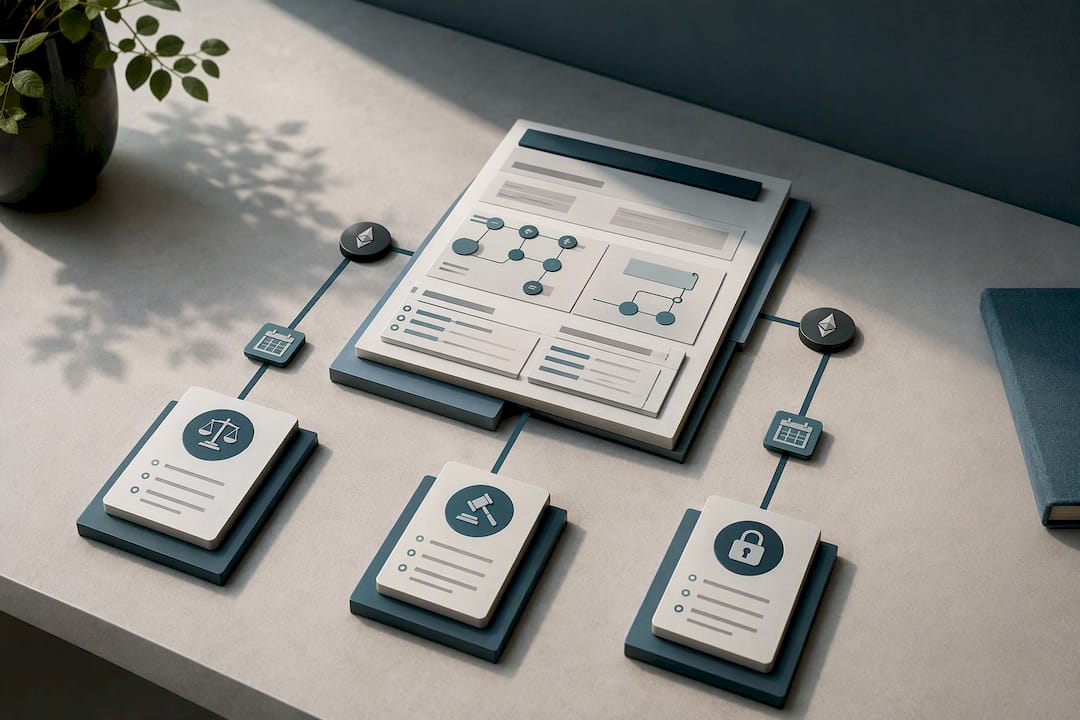
- File a report with IC3 immediately, including every transaction hash and wallet address you have, even if your file feels incomplete.
- Preserve everything else, screenshots, messages, receipts, while the investigation proceeds; you can layer in more evidence later.
- Have an investigator or counsel send the exchange or issuer a documented transaction timeline; exchanges can act when addresses map to a hosted account, and issuers can act when they control the token contract.
- Watch for outreach that asks for an upfront “unlock” fee, claims FBI affiliation out of nowhere, or requests your banking passwords.
That last point deserves weight. The FBI’s PSA on fictitious law firms documents that victims lost over $9.9 million to fake recovery services and fake law firms between February 2023 and February 2024, often after already losing money to the original scam. Filing through IC3 and working with a verifiable investigator is the safer path, not a stranger who contacts you first.
Why timelines and evidence standards matter more than speed
Clients often want a number: how long will this take? A preliminary tracing memo can sometimes come together in days once the core transaction data is in hand, but a full legal-grade report, with methodology, chain-of-custody notes, and exchange or issuer outreach, takes longer, and issuer cooperation is realistic only when the evidence trail is documented cleanly. Verify any investigator’s process before paying, and never pay an “unlock fee” to release your own funds.
— cristian
How a forensic provider supports your case
Forensic providers build tracing reports and OSINT attribution based on the evidence standards this guide describes, work that fits the intake steps above rather than replacing them.
- Cryptocurrency scam investigation, OSINT investigations, and digital attribution to identify where funds landed.
- Preservation of evidence and digital footprint to help your case file hold up under scrutiny.
- Technical reports intended for law firms and professional offices handling recovery litigation.
Bring your transaction hashes, wallet addresses, and any exchange records to intake, and the typical first deliverable is a preliminary tracing memo. Start through our recovery and investigation services page.
Sources
For direct reporting, use IC3’s guidance for cryptocurrency scam victims. For structural context on stablecoin risk and issuer controls, see the FATF targeted report on stablecoins and unhosted wallets, and review DOJ affidavit examples showing how tracing supports real seizures.
- FBI / IC3 guidance for cryptocurrency scam victims
- FATF targeted report on stablecoins and unhosted wallets
FAQ
How long does BEP-20 token tracing take?
A preliminary memo can often be produced within days once transaction hashes and wallet addresses are supplied, while a full legal-grade report with issuer or exchange outreach takes longer. Timelines depend heavily on how much of the fund trail stays on-chain versus moving through mixers or bridges.
What information does IC3 require in a crypto scam report?
IC3 guidance asks for the full transaction hash, the exact amount and token type, the precise date and time, and every wallet address involved. Filing right away matters more than having a complete file, since investigators can add forensic detail to an open complaint later.
Can exchanges or issuers actually freeze stolen BEP-20 tokens?
Exchanges can freeze funds when a traced address maps to one of their hosted accounts, and some stablecoin issuers, including Tether, have cooperated with law enforcement to freeze or transfer tokens at their request, as shown in DOJ case materials. Freezing is not automatic and depends on a documented, verifiable transaction trail.
Should I pay an upfront fee to a recovery service?
No legitimate investigator asks for a fee to “unlock” your own funds. The FBI has warned that fictitious law firms and recovery scams cost victims over $9.9 million between February 2023 and February 2024 by requesting upfront payments or personal financial data.
Does tracing always lead to recovery of stolen tokens?
No, tracing identifies where funds went and builds evidence for legal or exchange action, but it cannot guarantee recovery. Some trails end at mixers or unhosted wallets with no further activity, and a truthful report will state that limitation rather than overpromise an outcome.