Staking can be legitimate when you keep control of your private keys and verify rewards on-chain, but a large share of “staking” pitches circulating on social media and messaging apps are fraud. If a contact guarantees fixed daily returns, pressures you to connect a wallet, or asks for a fee to unlock a withdrawal, stop sending funds, disconnect the app, and save every transaction detail you can find. The sections below walk through how these schemes work, the warning signs, real enforcement cases, and what to do if you think you have been targeted.
TL;DR:
- Fixed payout promises are impossible under real staking protocols, which depend on fluctuating network activity and trading fees.
- Most scams begin with unsolicited messages and show fabricated dashboards, with scammers requesting fees or quick actions to lock or steal funds.
- Verifying contract addresses, checking registration details, and testing with small deposits are essential steps before trusting any staking platform.
- Reporting and documenting suspicions immediately, revoking approvals, and collecting transaction details are crucial to aid law enforcement and forensic investigations.
- Non-custodial staking remains safer, but both custodial and non-custodial scams can drain funds if users connect to fraudulent platforms.
Table of Contents
- What staking, liquidity mining, and yield farming scams actually are
- How staking platform scams actually drain your funds
- Red flags to check before you connect a wallet or send funds
- What enforcement actions reveal about scale and tactics
- What to do the moment you suspect a scam
- A short checklist to vet any platform before you stake
- What forensic investigators notice after the fact
- How Recovera Forensics supports victims after a staking scam
- FAQ
- Sources
What staking, liquidity mining, and yield farming scams actually are
Staking means locking cryptocurrency to help secure a proof-of-stake network, in exchange for a share of the rewards that network generates. Liquidity mining and yield farming are related but distinct: you deposit tokens into a decentralized exchange or lending pool, and you earn a portion of trading fees or interest paid by other users. None of these activities promise a fixed, guaranteed return, because rewards depend on real network or trading activity that fluctuates.
A decentralized application, or dApp, is the software interface you connect your wallet to in order to participate. The key distinction that matters for safety is custody: non-custodial staking means you keep your private keys and the protocol only has permission to use your tokens for validation, while custodial staking means a company holds your assets on your behalf.
- Legitimate staking rewards track protocol emissions, transaction fees, or trading volume, not a marketer’s promise.
- Custodial staking programs carry counterparty and disclosure risk but are not automatically fraudulent.
- A scheme advertising a locked-in daily percentage, regardless of market conditions, is describing a payout structure no real protocol can guarantee.
How staking platform scams actually drain your funds
Most schemes follow a predictable sequence, and recognizing each stage helps you exit before money moves. It typically starts with an unsolicited approach, often through a social media message, a dating app match, or a group chat where someone shares “proof” of their own earnings.
- A stranger or acquaintance introduces a staking opportunity and shows a dashboard with rising balances.
- You’re asked to connect your wallet to a dApp or send tokens to a staking address controlled by the scammer.
- The site requests a token approval that, once signed, grants a smart contract permission to move funds from your wallet, sometimes far beyond the amount you intended to stake.
- Small early withdrawals are approved to build trust and encourage you to deposit more or recruit others.
- When you try to withdraw a larger amount, you’re told to pay an “activation fee,” “tax,” or “unlock fee” first, and the funds never arrive.
The FBI and IC3 have warned that liquidity mining scams convince victims to link wallets to fraudulent dApps that then drain the connected funds, often after guaranteed daily returns are used as the initial hook. The dashboard numbers you see are not proof your assets are staked anywhere real. They can be fabricated entirely while your actual tokens move to a wallet you never approved.
Pro Tip: Never treat a rising balance on a platform’s dashboard as confirmation of anything: check the destination wallet and transaction history on a public block explorer instead.
Red flags to check before you connect a wallet or send funds
Certain signals appear across nearly every staking scam, and a handful of quick checks can confirm or rule out a platform before you risk anything.
- Guaranteed or fixed daily, weekly, or monthly returns regardless of market conditions.
- Unsolicited contact through social media, dating apps, or group chats promoting a staking opportunity.
- Any requirement to pay a fee, tax, or “gas deposit” before a withdrawal is released.
- Pressure to act fast, recruit others, or keep the opportunity confidential.
- A site with no published company address, phone number, or verifiable team.
The FTC’s consumer guidance notes that no one can guarantee crypto profits, and that urgency, certainty, and secrecy are themselves warning signs rather than reasons for confidence. Beyond the obvious red flags, a few technical checks matter: look up the project’s actual contract address on a block explorer and compare it character by character with what the platform lists, check how long the domain has been registered, and read the site’s copy for the kind of inconsistencies that suggest it was assembled quickly. Searching the platform name alongside “SEC,” “CFTC,” or your state securities regulator takes a minute and often surfaces an existing complaint or enforcement action if one exists.
What enforcement actions reveal about scale and tactics
Regulators have documented these schemes closely enough to show both their scope and their repeating mechanics. The IC3’s July 2022 advisory tied liquidity mining scams to more than $70 million in combined victim losses since January 2019, driven largely by fraudulent dApps that drained linked wallets. More recent FTC data shows investment scams produced the highest reported losses of any fraud category in 2024, with cryptocurrency a prominent payment method in many of those reports.
| Source | Finding |
|---|---|
| IC3, July 2022 | Liquidity mining scams linked to over $70 million in combined losses since 2019 |
| FTC, March 2025 | Investment scams led all fraud categories in reported 2024 losses, part of $12.5 billion in total fraud losses |
| SEC litigation releases | Cases describe guaranteed-return pitches, staged early withdrawals, then frozen larger withdrawals |
SEC enforcement materials, including the agency’s litigation release against Kraken’s staking program, show that advertised staking returns can differ from what a protocol actually generates on-chain, and that custodial arrangements raise their own disclosure questions. Separate SEC actions describe platforms that let early investors withdraw small amounts, then froze larger requests once enough deposits had accumulated, a pattern that shows up repeatedly across unrelated cases.
What to do the moment you suspect a scam
Speed matters, but so does restraint: the most damaging mistake after a suspected scam is sending more money to try to fix it.
- Stop all transfers immediately and never pay a requested “release fee,” “tax,” or “recovery fee” to unlock funds.
- Disconnect your wallet from the suspicious dApp and revoke any token approvals you granted, using your wallet’s own trusted interface rather than a link the platform sent you.
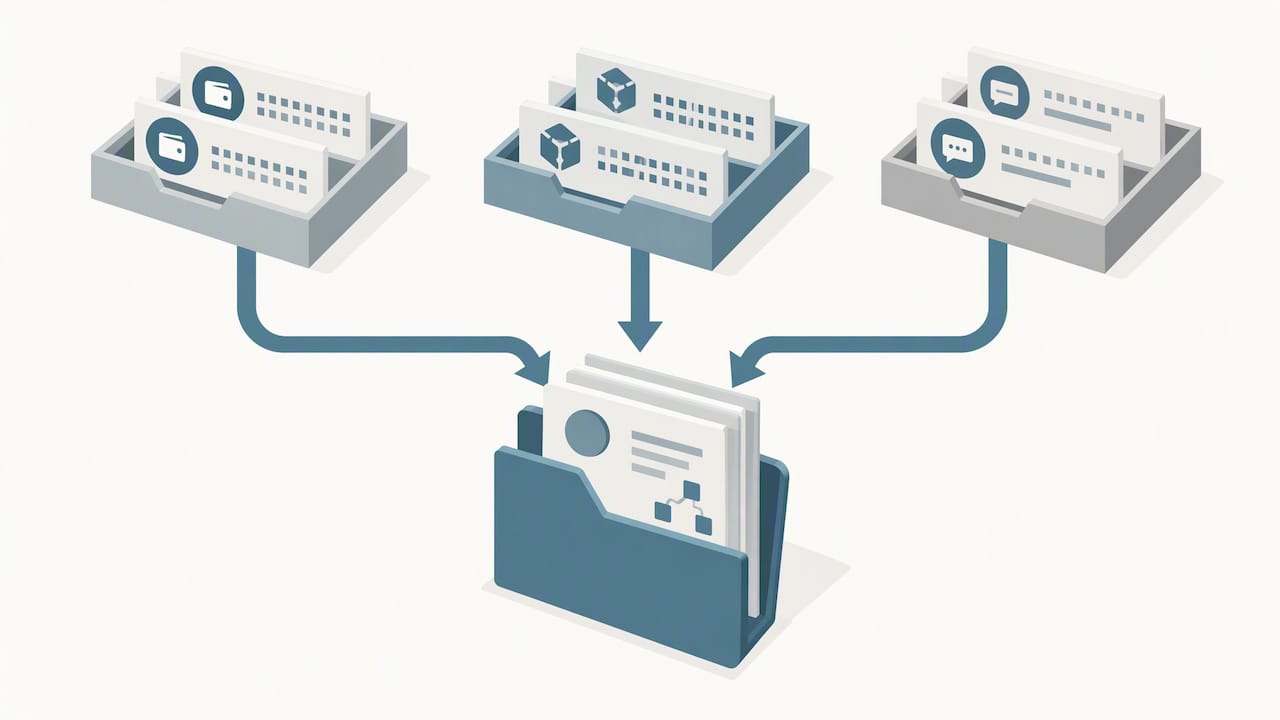
- Save transaction hashes, wallet addresses, screenshots of the dashboard and chat history, and the platform’s domain name before the site can be taken down.
- File a report with the IC3 and your relevant financial regulator, and notify any exchange or wallet provider involved so they can flag the associated addresses.
The IC3’s August 2023 guidance specifically recommends preserving transaction hashes, wallet addresses, and screenshots, because following corporate fraud investigation steps for internal investigators supports any later tracing effort. It also warns that recovery-fee requests are themselves a late-stage trap: legitimate investigators do not ask victims to pay upfront fees without a verifiable track record and a written scope of work. If you connected a widely used wallet like MetaMask to the fraudulent dApp, securing that wallet immediately should happen before anything else.
Pro Tip: A complete, organized record of addresses, hashes, and communications is often the single biggest factor in whether a forensic trace can go anywhere.
A short checklist to vet any platform before you stake
Running a brief verification pass before connecting a wallet or depositing funds costs a few minutes and rules out the majority of fraudulent offers.
- Pull the project’s official contract address from its verified documentation or GitHub, not from a link a contact sent you, and confirm it matches what the explorer shows.
- Confirm whether the arrangement is custodial or non-custodial, and if custodial, find out explicitly who holds the private keys and under what terms.
- Test the platform with a small deposit first, then attempt a withdrawal to confirm unbonding periods, fees, and processing times match what was advertised.
- Search the platform name against SEC, CFTC, FinCEN, and your state securities regulator’s public records before committing larger amounts.
CFTC guidance on fraudulent trading sites lists the same practical markers worth checking: missing registration details, no verifiable company address, a recently registered domain, and refusal to process standard bank transfers are common indicators of fraud regardless of how polished the site looks.
What forensic investigators notice after the fact
Tracing a staking scam usually means reconstructing a flow of funds through several wallets, sometimes through mixers or cross-chain bridges designed to obscure the trail. What stands out case after case is how convincing the staged dashboards are and how little relationship they bear to the actual on-chain movement of funds, which is why investigators verify everything against the public ledger rather than the platform’s own interface. Hiring a forensics firm does not guarantee recovery: it produces a documented trace and a report that can support a legal claim, law enforcement referral, or exchange freeze request, within the real limits of what blockchain data and jurisdiction allow.
— cristian
How Recovera Forensics supports victims after a staking scam
Once you have reported the incident and stopped any further loss, the next question is usually whether a technical investigation can reconstruct what happened to your funds. A forensic investigation in cases like this typically involves tracing wallet activity across chains, including through mixers and bridges, and preparing documented reports for law enforcement or legal proceedings.
- Blockchain tracing that follows stolen funds across wallets, exchanges, and bridges.
- OSINT investigation work to connect wallet activity to the individuals or networks behind it.
- Evidence preservation that protects your transaction records and digital footprint before a platform disappears.
- Technical reports written for use in legal proceedings, not just internal reference.
If your loss involves a significant amount, a complex cross-chain trail, or a legal case you plan to pursue, Recovera’s scam investigation services are built for exactly that situation. File your IC3 report first, then reach out so the trail is as fresh as possible.
This article is general information, not a substitute for advice from a qualified financial advisor. Consult a qualified financial professional about your own circumstances before acting on anything here.
FAQ
What’s the biggest scam right now?
Liquidity mining and staking schemes that promise guaranteed daily returns remain one of the most reported crypto scam types, according to the FBI and IC3. These scams typically start with an unsolicited social media or messaging contact and end with a drained wallet once a withdrawal is requested.
Can I lose my crypto by staking it?
Yes, if you stake through a fraudulent platform or approve a malicious smart contract, your funds can be drained entirely. Legitimate non-custodial staking carries lower risk since you retain your keys, but custodial programs add counterparty risk that SEC enforcement cases have raised questions about.
How can you tell if someone is a crypto scammer?
Watch for unsolicited contact, guaranteed or fixed returns, pressure to act quickly, and any request for a fee before releasing your own withdrawal. The FTC notes that no legitimate party can guarantee crypto profits, so certainty itself is a warning sign.
Does staking crypto make you money?
Legitimate staking can generate rewards tied to network activity, but returns fluctuate and are never guaranteed. Any platform promising a fixed daily percentage regardless of market conditions is describing a payout structure no real protocol can sustain.
Sources
- Internet Crime Complaint Center (IC3) | Scammers Target and Exploit Owners of Cryptocurrencies in Liquidity Mining Scam
- What To Know About Cryptocurrency and Scams
- SEC enforcement release: Kraken litigation release
- New FTC data show a big jump in reported losses to fraud to $12.5 billion in 2024